Heisenberg liquid, a market watch on the Vampire Vape range
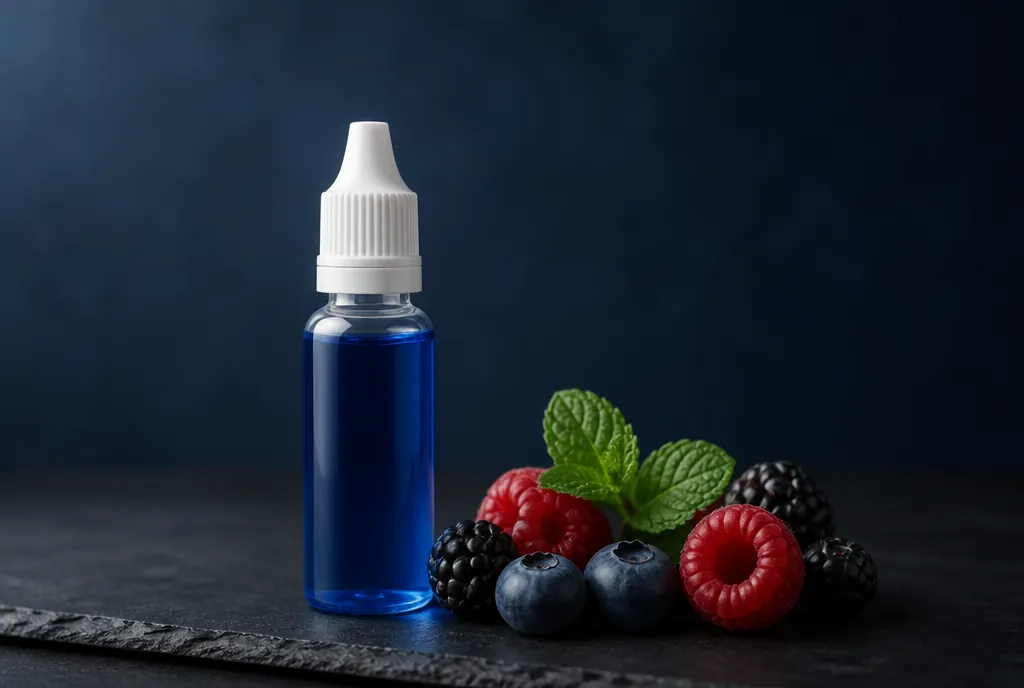
One name, twenty-one listings on the manufacturer’s own range page, and retailer copy that rarely agrees on what is in the bottle. Heisenberg liquid from Vampire Vape is among the most familiar names on a British vape shelf, which is precisely why so few buyers still read the label. This market watch sets out what is sold under the name in early October 2026, where the listings drift apart and what British rules now decide for each format.
Heisenberg liquid, what the name covers in Britain today
The answer is a family rather than a single bottle. The manufacturer’s range page lists freebase and nic salt bottles of 10 ml, a second salt line sold as VV Max, 50 ml and 100 ml shortfills, a 10 ml concentrate supplied in a 60 ml longfill bottle, and concentrates of 10 and 30 ml.
Vampire Vape says it created and developed the recipe in 2014 for VapeFest. It describes an award winning blend of mixed berries topped with a cool menthol breeze, and states that the 10 ml bottle is sold in more than sixty countries.
Spin-offs share the name too. The orange and grape versions keep the berry and menthol notes and add a new one, so they are separate recipes rather than relabelled originals.
Where the flavour descriptions agree and where they drift
Every description consulted converges on berries and a cold finish. Beyond that, each seller writes its own list.
The manufacturer’s page for the 10 ml bottle speaks of sweet, tangy mixed red berries balanced by cool menthol, with an intense and icy finish. Its blog adds light aniseed undertones and admits that the exact recipe has always been part of the mystery around the product.
Retailers lean harder on that third note. Electric Tobacconist names mixed fruit, berries, aniseed and menthol, while Vape Superstore describes bold berry notes with a spicy aniseed kick and an iced finish on its nicotine free version. Vape Club keeps to mixed berries on a menthol base.
With no published composition, the only stable core of a Heisenberg liquid is the one the manufacturer states, berries and menthol. Any longer list is a retailer’s reading.
Why nicotine stops at 10 ml on a British shelf
The split between small and large bottles is set by law, and MHRA guidance on e-cigarette regulations for consumer products spells out the limits. A refill container may hold no more than 10 ml of nicotine containing e-liquid, the strength may not exceed 20 mg per ml and tanks are capped at 2 ml.
The same guidance requires nicotine containing products or their packaging to be tamper evident and fitted with a safety closure, which the manufacturer’s 10 ml page confirms with its cap and seal. Every e-cigarette and e-liquid must also be notified to and published by the MHRA before it can be sold.
So a nicotine containing Heisenberg liquid bottle never exceeds 10 ml in Britain. The 50 ml and 100 ml shortfills are listed at 0 mg, and nicotine only enters through separate 10 ml shots, the same structure our file on the T-Juice formats and the rules behind them describes for another long running brand.
The manufacturer’s shortfill page gives the volumes but no resulting strength, which depends entirely on the shot the buyer adds.
The duty change now reaching every bottle in the range
This is the newest layer, and it changes how the manufacturer’s own pages read. GOV.UK announced on 1 October 2026 that Vaping Products Duty came into force that day, paid by manufacturers, importers and warehousekeepers approved by HMRC.
The duty applies to vaping liquid whether it contains nicotine or not, at a flat rate per 10 ml of liquid. A nicotine free shortfill is therefore inside the scope, and a large bottle carries the duty on its whole volume.
The stamp timetable is fixed. Digital stamps become mandatory for new products made in or imported into the UK from 1 January 2027, existing unstamped stock may be sold until 31 March 2027, and from 1 April 2027 every vaping product sold in the UK must carry a valid stamp.
On the manufacturer’s site, strength labels such as 0 mg and 20 mg already carry a “pre-duty” mention.
One Heisenberg liquid name, three VG/PG ratios
The balance between propylene glycol and vegetable glycerine decides how fluid a liquid is, and therefore which hardware suits it. Under this one name it moves with the format.
The freebase 10 ml bottle is listed by the manufacturer at 60PG/40VG, except the 3 mg strength, which is a 50/50 mix. Vape Club displays the same 40% VG, and its description ties that mix to the 0, 6, 12 and 18 mg bottles only.
The 50 ml and 100 ml shortfills are sold as 70/30, and the manufacturer’s 50 ml page spells the order out as 70VG/30PG. A 10 ml bottle carries the same 70/30 label within the range, a reminder that the label on the bottle, not the name, tells you which liquid you hold.
For hardware the gap is real. A thin 60/40 liquid suits mouth to lung coils, while a thicker 70% VG liquid is aimed at direct lung kits, so moving from a 10 ml bottle to a shortfill means feeding the device a different liquid.
The concentrate adds a fourth case. The manufacturer advises diluting it at 15 to 20% depending on the flavour strength wanted, a level close to the fifteen per cent given for the Red Astaire concentrate.
What the review counts say about its place in the market
Review counters are imperfect, but they remain the only public indicators of standing in this sector. Read in early October 2026, they describe a polarising fixture rather than a consensus pick.
Vape Club shows 292 reviews for the 10 ml bottle. Of those, 163 give five stars and 33 give one star, so more than half sit at the top while 56 reviews, about one in five, land at one or two stars.
The retailer’s own summary calls it a famously divisive flavour, praised for its balance of menthol and berries and rejected by buyers who find the cold note overpowering. On its side, the manufacturer claims five awards and puts a bestseller badge on the 70/30 50 ml shortfill.
What to watch on the range
No withdrawal or reformulation has been announced by the manufacturer at the date of this watch. Three points still deserve attention.
Duty stamps come first, since stamped and unstamped bottles of the same reference will sit side by side until 31 March 2027. Listing consistency follows, where the manufacturer’s sheet remains the reference.
Reviews are the third signal. One posted on Vape Club in September 2026 calls the liquid very harsh and suggests something has changed, while the manufacturer has published nothing about a new recipe. Comparing the ingredient and hazard lines of successive bottles remains the only way to test a claim of that kind.
FAQ
Where is Heisenberg made?
In the United Kingdom. The manufacturer states it on the 10 ml page, and says its concentrates are made in a clean room from creation to bottling.
Does the concentrate contain nicotine?
No. The manufacturer lists it at 0 mg as a PG based flavour concentrate for personal use, not intended to be vaped on its own.
Is there a nic salt version?
Yes. Alongside the freebase bottle, the range includes a 10 ml nic salt and the VV Max salt line, and Vape Club offers the salt version at 10 and 20 mg per ml.
Why is a 50 ml shortfill sold in a 60 ml bottle?
Its extra space leaves room for one 10 ml nicotine shot added by the buyer. As sold, the shortfill contains no nicotine.
Who has to notify a new Heisenberg product to the MHRA?
It falls to the producer, which the MHRA defines as anyone who manufactures or imports the product or rebrands it as their own. Retailers only notify if they also qualify as producers.
Heisenberg liquid, the reference points to keep
One name covers a family of formats whose ratios run from 60/40 to 70% VG, flavour lists that agree only on berries and menthol, and, since 1 October 2026, a duty that reaches nicotine free bottles as well.
Reading the label and the producer’s sheet rather than the retailer’s headline is the habit that runs through this desk’s files, including our note on the Enjoy name shared by several products. It remains the clearest way to see what the British market actually sells as Heisenberg liquid.
Editorial content for adult readers only. Vaping products can contain nicotine, a substance that causes addiction, and nicotine vaping products are not for sale to anyone under 18 in the UK. This article is not a buying recommendation.
More to read
 Market watch
 Luxe XR Max 2: what changed on the Luxe range
Luxe XR Max 2: what moved since the XR Max, where the quoted figures come from, and why the British pod capacity is not the one French listings quote.Caramel e-liquid: a segment of the UK market
Caramel e-liquid as a market segment: why it gets its own category page, how ranges are built around it, and the British labelling rules behind it. Summaries